Indigenous Peoples and Human Rights

August 2, 2026

Paddle to Nisqually, Tribal Canoe Journeys 2026


Saturday, August 1, 2026. Photo courtesy Nisqually Tribe

Saturday, August 1, 2026. Photo courtesy Nisqually Tribe

Courtesy Nisqually Tribe

 Paddle to Nisqually, Tribal Canoe Journeys 2026


Paddle To Nisqually 2026, Censored News, July 30, 2026


LIVESTREAM https://tinyurl.com/3tk75h56
Dates: July 31st to August 5th, 2026

Watch on YouTube https://www.youtube.com/playlist?app=desktop&list=PLWMEvm2-225s

The 2026 Paddle to Nisqually Medicine Creek Potlatch is hosted by the Nisqually Tribe. Canoe Journey 2026, Paddle to Nisqually Medicine Creek Potlatch, continues an inter-tribal celebration and annual gathering of Northwest indigenous nations. The annual tribal journey in the Pacific Northwest region was sparked by the Paddle to Seattle in 1989 as part of Washington State’s Centennial celebration.

Many Canoe Journeys have been held since 1989, when pullers (the preferred term because of the pulling motion on the paddle) from Canada, Alaska and Washington voyaged from their home communities to sites in the Pacific Northwest. The Canoe Journey has grown to include over 100 canoes and the participation of Canoe Families from other native canoe cultures, including Native American tribes, First Nations peoples, Alaska Natives, Inuit, Maori, Native Hawaiians, and other indigenous peoples from across the world.

Courtesy Nisqually Tribe

Courtesy Nisqually Tribe


August 1, 2026

Mohawk Nation News 'Rekindling Resistance'


REKINDLING RESISTANCE

Posted on August 1, 2026 by Kan1enkehaka
Mohawk Nation News
https://mohawknationnews.com/blog/2026/08/01/rekindling-resistance/


GREAT WHITE ROOTS OF PEACE

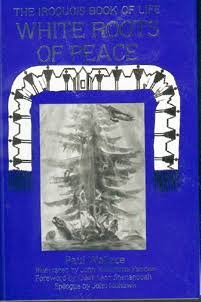
MNN. July 26, 2026. To acquire peace, Dekanawida did not base his ideas on faith and hope. He described a giant white pine that reached into the sky, symbolizing the sisterhood and brotherhood of all human beings. At its roots were the five nations of the original Rotinonhsión:ni Confederacy. A structure was designed to make the individual the center of power so that no dictator could seize control. The people met to discuss issues and came to an understanding. The governmental structure included the separation of powers of the judicial, executive and legislative branches. The Rotinonhsión:ni nations were made up of democratic social units to form a peaceful confederacy of all Indigenous people. After the upheaval of Indigenous culture by the European invasion, the Iroquois and many other Indigenous nations, such as the Aztec, Blackfeet, Sioux, Hopis, and others had the same ideas about the return of Indigenous thought.

Remembering Pueblo Dorothy Purley: Warnings of Merchants of Death


Dorothy Purley, Laguna Pueblo

Remembering Pueblo Dorothy Purley: Warnings of Merchants of Death

Before she died from cancer, Dorothy Purley, Laguna Pueblo, wanted the world to know what happened at Laguna and Acoma Pueblos, to her people, because of the uranium mining. She called for a meeting, and a lot of people came. They sat in a circle and decided to call the movement, "Indigenous Alliance without Borders," to show the world that the environmental destruction was targeting all Native Americans, all Indigenous Peoples, crossing all borders. During those years, she told me her story and she took her story to the world. In memory of Dorothy Purley.

Dorothy described how the workers in the mines would bring the radiation home on the dust on their clothes, the dust would coat their food and the crops, and the grass that the sheep and livestock ate. "They usually conducted their blasts during our noontime and evening meals, when our village women would dry their fruits and vegetables during the harvest season. A fine layer of dust would cover our food, but we simply rinsed it off not knowing that it was toxic." The U.S. government knew the radiation would kill them, but never told Native people. This is her story. -- Brenda


By Brenda Norrell
Censored News

Before she died of cancer, Dorothy Purley of Laguna Pueblo described driving a uranium truck at the Jackpile Mine. Dorothy said the Pueblo workers were never told what the yellow radioactive dust would do to them. The radioactive dust blew onto their drying meats, and it poisoned the grasses that the animals eat.